

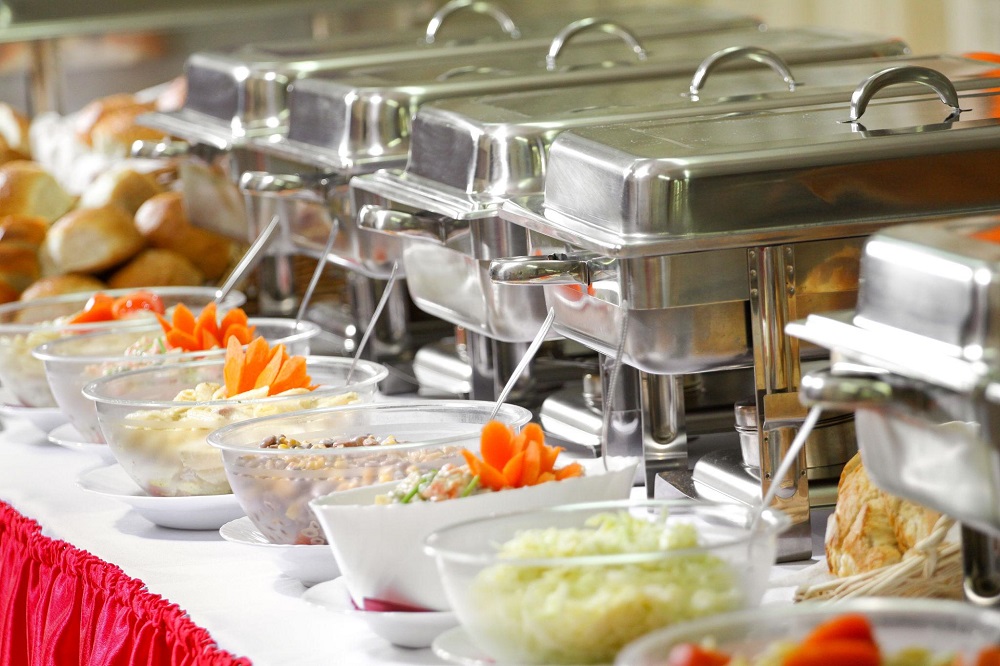
Catering plays a central role in modern events, business functions, celebrations, and hospitality experiences. Whether organizing a corporate conference, wedding reception, private party, or community gathering, professional catering ensures that guests enjoy high quality food delivered with efficiency and presentation.
More than simply preparing meals, catering involves menu planning, logistics coordination, service management, and guest experience enhancement. Today’s catering services combine culinary expertise with event planning skills to create memorable occasions that meet both practical and aesthetic expectations.
Understanding how catering works helps individuals and organizations make informed decisions when selecting services that match their needs.
What Is Catering
Catering refers to the professional preparation, delivery, and service of food and beverages for events or gatherings. It may involve on site cooking, off site meal delivery, or full service hospitality support depending on the nature of the event.
Catering services typically include:
- menu planning and customization
- food preparation and transportation
- serving staff coordination
- table setup and presentation
- equipment supply
- cleanup after service
Professional caterers adapt their services to suit event size, venue conditions, and client preferences.
The Growing Importance of Catering Services
Modern events often rely heavily on catering to create positive guest impressions. Food quality and presentation influence how people remember celebrations, conferences, and social gatherings.
Reliable catering services provide:
- convenience for event organizers
- consistent food quality
- efficient service timing
- professional presentation
- stress reduction during events
Because of these advantages, catering has become an essential component of both personal celebrations and corporate activities.
Types of Catering Services
Different events require different catering approaches. Understanding these categories helps clients select the most appropriate service style.
Corporate Catering
Corporate catering supports business events such as conferences, training sessions, product launches, and employee meetings.
Typical corporate catering offerings include:
- breakfast service for early meetings
- boxed lunches for workshops
- buffet meals for seminars
- formal plated dinners for executive events
Corporate catering prioritizes punctuality, presentation, and efficiency.
Wedding Catering
Wedding catering focuses on creating memorable dining experiences that reflect the couple’s preferences and cultural traditions.
Services often include:
- customized menus
- tasting sessions before the event
- multi course plated meals
- buffet style dining options
- dessert stations and beverages
Wedding catering also emphasizes visual presentation and coordinated service timing.
Social Event Catering
Social gatherings such as birthday parties, anniversaries, and family reunions benefit from flexible catering options tailored to guest preferences.
Common features include:
- themed menus
- finger foods and appetizers
- buffet arrangements
- beverage service stations
Social event catering encourages creativity and personalization.
Mobile Catering
Mobile catering operates through portable kitchens, food trucks, or temporary setups at outdoor venues and public spaces.
Mobile catering is especially useful for:
- festivals
- sporting events
- outdoor celebrations
- community gatherings
This type of catering offers convenience and adaptability.
Full Service Catering vs Drop Off Catering
Understanding service levels helps clients choose the right option based on budget and event complexity.
Full Service Catering
Full service catering includes everything required for food preparation and guest service.
This typically covers:
- professional serving staff
- table arrangements
- dishware and utensils
- beverage service
- setup and cleanup
Full service catering works best for formal events or large gatherings.
Drop Off Catering
Drop off catering involves delivering prepared food without onsite staff support.
This option suits:
- small meetings
- informal gatherings
- office lunches
- private celebrations with limited service needs
Drop off catering offers convenience at a lower cost.
Steps Involved in Professional Catering Planning
Effective catering requires structured preparation to ensure smooth event execution.
Understanding Event Requirements
The catering team begins by identifying:
- number of guests
- event type
- venue conditions
- dietary preferences
- service style expectations
Accurate planning reduces unexpected complications.
Designing the Menu
Menu creation balances taste, nutrition, presentation, and guest diversity.
Important menu considerations include:
- cultural preferences
- vegetarian and vegan options
- allergy awareness
- seasonal ingredients
- portion planning
Customized menus enhance guest satisfaction.
Coordinating Logistics
Catering logistics include transportation planning, equipment setup, and staff scheduling.
Professional caterers ensure:
- timely food delivery
- temperature control
- service flow coordination
- safe food handling practices
Efficient logistics improve event success.
Managing Event Day Service
During the event, catering teams supervise food presentation, replenishment, and guest interaction.
Service quality influences the overall event atmosphere and guest experience.
Popular Catering Service Styles
Selecting the right service style affects how guests interact with food and with one another.
Buffet Service
Buffet catering allows guests to select food independently from arranged serving stations.
Advantages include:
- flexibility in portion size
- faster service for large groups
- variety of menu options
Buffets encourage social interaction among guests.
Plated Service
Plated catering delivers individual meals directly to guests at their tables.
Benefits include:
- elegant presentation
- portion consistency
- structured dining experience
Plated service works well for formal occasions.
Family Style Service
Family style catering places shared dishes at tables for guests to serve themselves.
This creates a warm and interactive dining environment.
Food Stations
Food stations feature separate counters serving specific menu items.
Examples include:
- pasta stations
- dessert counters
- grilling stations
- beverage bars
Food stations enhance engagement and visual appeal.
Benefits of Hiring Professional Catering Services
Professional catering improves both planning efficiency and guest satisfaction.
Key benefits include:
- expert menu development
- time saving preparation support
- professional service presentation
- reliable portion management
- reduced stress for hosts
- improved event organization
These advantages make catering an essential component of successful events.
Choosing the Right Catering Service Provider
Selecting a suitable catering partner requires careful evaluation.
Important factors to consider include:
Experience and Reputation
Experienced caterers understand event dynamics and adapt quickly to changing requirements.
Client reviews and testimonials often reflect service reliability.
Menu Flexibility
A good catering provider offers customizable menus that match event themes and dietary preferences.
Menu tastings help confirm food quality before final decisions.
Staffing Support
Professional service staff enhance guest experience through efficient coordination and courteous interaction.
Adequate staffing ensures smooth event operations.
Budget Transparency
Clear pricing structures help avoid unexpected costs.
Reliable caterers provide detailed service breakdowns during planning discussions.
Catering Trends Shaping Modern Events
The catering industry continues evolving in response to changing guest expectations and lifestyle preferences.
Popular trends include:
- locally sourced ingredients
- plant based menu options
- interactive food stations
- personalized dining experiences
- eco friendly packaging
- health conscious meal planning
These trends reflect growing awareness of sustainability and nutrition.
Catering for Different Event Sizes
Catering requirements vary depending on guest count and venue scale.
Small Events
Small gatherings benefit from simple menu arrangements and compact service setups.
Drop off catering often works well for these occasions.
Medium Sized Events
Mid sized events typically require buffet service or partial staff support to maintain service efficiency.
Menu variety becomes more important at this scale.
Large Events
Large events demand full service catering with structured planning and multiple service stations.
Professional coordination ensures smooth service flow.
Common Challenges in Catering and How Professionals Address Them
Even well planned events may face unexpected situations. Professional caterers prepare contingency strategies to maintain service quality.
Common challenges include:
- last minute guest count changes
- weather disruptions at outdoor venues
- equipment limitations
- dietary restrictions
- service timing adjustments
Experienced catering teams manage these situations through preparation and flexibility.
The Role of Presentation in Catering Success
Food presentation significantly influences guest perception.
Professional caterers focus on:
- attractive plating
- coordinated table layouts
- color balanced menus
- organized buffet arrangements
Presentation enhances both visual appeal and dining satisfaction.
Why Catering Matters for Memorable Events
Food plays a central role in shaping guest experiences. High quality catering creates comfort, encourages interaction, and strengthens the atmosphere of celebration or professionalism depending on the event type.
Whether hosting a formal ceremony or casual gathering, reliable catering ensures guests remain engaged and satisfied throughout the occasion.
Careful planning combined with experienced service delivery transforms catering from a logistical requirement into a meaningful part of the event experience.
Frequently Asked Questions About Catering
How far in advance should catering services be booked
Booking catering services at least four to eight weeks before the event allows time for menu planning and logistical preparation.
Can catering services accommodate special dietary restrictions
Most professional caterers provide options for vegetarian, vegan, gluten free, and allergy sensitive meals when informed during planning.
What information should clients provide to caterers before planning begins
Clients should share guest count estimates, venue details, event schedule, preferred cuisine styles, and budget expectations.
Is tasting always included before finalizing catering menus
Menu tastings are often available for large events such as weddings but may vary depending on the service provider.
Do catering companies provide equipment such as tables and utensils
Many full service caterers supply serving equipment, dishware, and presentation materials as part of their packages.
How is catering pricing usually calculated
Pricing depends on guest count, service style, menu complexity, staffing requirements, and event duration.
Can catering services adjust menus for seasonal ingredients
Yes, many caterers recommend seasonal menus because they improve ingredient freshness and enhance flavor quality.
