

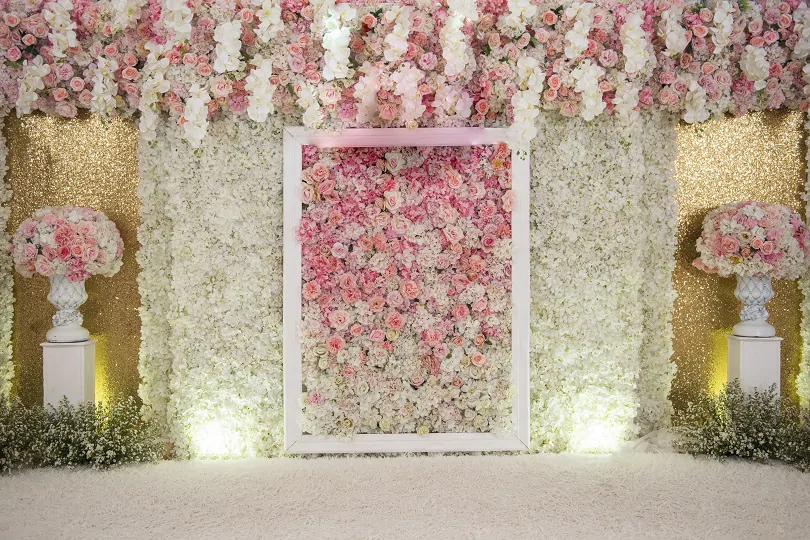
Decorations play a powerful role in shaping how people experience spaces and events. Whether preparing a wedding venue, organizing a birthday celebration, designing a corporate function, or improving a living room environment, thoughtful decoration transforms ordinary surroundings into meaningful and memorable settings.
Decoration is not only about aesthetics. It reflects personality, purpose, mood, and cultural identity. Effective decoration communicates intention without words and helps create emotional connections between people and spaces.
Understanding the principles, styles, materials, and planning strategies behind decoration helps individuals and organizations achieve professional and visually appealing results.
What Decorations Mean in Modern Spaces and Events
Decorations refer to visual elements added to enhance the appearance, atmosphere, and character of a space or occasion. These elements may include lighting, flowers, fabrics, colors, furniture arrangements, and artistic accessories.
Decorations serve several important purposes:
- create visual interest
- establish mood and atmosphere
- reflect themes or traditions
- guide guest attention within a space
- enhance photography and memories
Whether used for personal environments or public events, decoration shapes the way people interact with surroundings.
Why Decorations Matter for Events and Interiors
Decoration influences perception before guests even speak to one another. A carefully designed environment communicates organization, hospitality, and creativity.
Effective decoration helps:
- improve guest comfort
- support event themes
- strengthen brand identity at corporate functions
- highlight important spaces such as stages or entrances
- create lasting impressions
Because decoration affects both mood and experience, it plays a central role in successful event planning and interior design.
Types of Decorations Used for Events
Different occasions require different decorative approaches. Choosing the right type depends on event purpose, audience expectations, and available space.
Wedding Decorations
Wedding decoration focuses on elegance, symbolism, and emotional expression. Couples often select decorative elements that reflect their personal story and cultural traditions.
Common wedding decoration elements include:
- floral stage backdrops
- aisle decorations
- table centerpieces
- decorative lighting arrangements
- entrance displays
- themed seating layouts
Wedding decorations often combine color harmony with romantic design elements.
Birthday Decorations
Birthday decorations are typically vibrant and playful. They reflect the personality, age group, and interests of the person being celebrated.
Popular birthday decoration features include:
- balloon arrangements
- themed banners
- photo walls
- customized cake tables
- colorful lighting accents
Creative birthday decorations help create excitement and joy for guests.
Corporate Event Decorations
Corporate decoration emphasizes professionalism and brand identity. The design approach usually balances elegance with clarity.
Corporate decoration may include:
- branded stage backdrops
- presentation screens
- signage displays
- reception desk arrangements
- table styling aligned with company colors
These elements reinforce the organization’s image.
Festival Decorations
Festival decoration highlights cultural identity and community participation. These decorations often use traditional materials and symbolic colors.
Festival decoration frequently includes:
- hanging lights
- fabric drapes
- entrance arches
- floral arrangements
- themed installations
Festival environments rely heavily on atmosphere and visual richness.
Home Decorations and Interior Styling
Home decoration enhances comfort, personality, and usability within living spaces. Unlike event decoration, interior decoration focuses on long term visual harmony and functionality.
Key areas of home decoration include:
Living Room Decoration
Living rooms represent shared family spaces and social interaction areas. Decorative choices should balance comfort with style.
Common living room decoration ideas include:
- coordinated cushions and rugs
- wall artwork
- indoor plants
- decorative lighting fixtures
- organized shelving displays
Living room decoration often reflects the homeowner’s lifestyle.
Bedroom Decoration
Bedroom decoration emphasizes relaxation and personal comfort. Soft textures and calming color palettes are common choices.
Bedroom decoration elements may include:
- layered bedding arrangements
- bedside lighting
- wall textures or framed artwork
- decorative curtains
These elements help create a peaceful environment.
Dining Area Decoration
Dining spaces benefit from simple yet refined decorative accents that support social interaction.
Popular dining decoration features include:
- table centerpieces
- pendant lighting
- wall accents
- coordinated seating arrangements
Dining decoration enhances the overall meal experience.
Essential Elements of Effective Decoration
Successful decoration relies on combining several visual components thoughtfully.
Color Selection
Color influences mood more strongly than any other decorative element. Warm colors create energy, while cool colors promote calmness.
Balanced color coordination improves visual harmony.
Lighting Design
Lighting shapes how decoration appears throughout the event or interior environment.
Common decorative lighting options include:
- warm ambient lighting
- accent spotlights
- string lighting arrangements
- candle style illumination
Lighting enhances atmosphere and highlights focal areas.
Fabric and Texture
Fabric adds softness and movement to decorative arrangements. Drapes, table covers, and chair styling introduce texture variations that enrich visual interest.
Layered textures create depth within decorative environments.
Floral Arrangements
Flowers remain one of the most widely used decorative features across cultures and occasions.
Floral decoration improves:
- elegance
- freshness
- fragrance
- visual balance
Both natural and artificial arrangements can be effective depending on event duration and budget.
Popular Decoration Styles Used Today
Decoration styles reflect personality preferences as well as cultural influences.
Minimalist Decoration Style
Minimalist decoration emphasizes simplicity and clarity. It focuses on fewer elements with stronger visual impact.
Characteristics include:
- neutral color palettes
- clean layouts
- limited accessories
- structured arrangements
Minimalist decoration works well in both homes and corporate environments.
Traditional Decoration Style
Traditional decoration highlights cultural identity and heritage elements.
Common features include:
- patterned fabrics
- handcrafted accessories
- warm color tones
- decorative wood elements
Traditional decoration creates familiarity and comfort.
Modern Decoration Style
Modern decoration combines simplicity with innovation. It emphasizes functionality and balanced geometry.
Modern decorative environments often include:
- sleek furniture
- geometric lighting fixtures
- neutral backgrounds with accent colors
- organized layouts
Modern decoration suits urban spaces and professional venues.
Theme Based Decoration Style
Theme based decoration creates immersive environments centered on a specific concept.
Examples include:
- seasonal themes
- travel inspired themes
- color focused themes
- vintage inspired themes
Theme decoration increases engagement and excitement.
Planning Decorations for Events Step by Step
Careful planning ensures decoration enhances rather than overwhelms an event environment.
Identify the Purpose of the Event
Decoration choices should support the event’s intention. A wedding requires elegance, while a business seminar requires clarity and structure.
Purpose defines decoration direction.
Understand the Venue Layout
Venue size, ceiling height, lighting availability, and entry points influence decoration planning.
Decorators often adjust arrangements based on space limitations.
Choose a Color Palette
Selecting a consistent color palette improves visual harmony throughout the environment.
Three color combinations usually provide balanced decoration.
Focus on Key Areas First
Important decorative zones include:
- entrance areas
- stage or focal space
- guest seating sections
- dining arrangements
Highlighting these areas creates strong visual impact.
Coordinate Decoration Timing
Decoration setup schedules must align with event timelines to avoid disruptions.
Professional coordination improves efficiency.
Budget Friendly Decoration Ideas That Still Look Professional
Decoration does not require large expenses to achieve strong visual results.
Affordable decoration strategies include:
- reusable fabric drapes
- indoor plants as centerpieces
- printed photo displays
- coordinated lighting arrangements
- simple color based balloon installations
Creative planning often produces impressive results within limited budgets.
Common Decoration Mistakes to Avoid
Even well intentioned decoration plans can reduce effectiveness if not carefully executed.
Common mistakes include:
- overcrowding decorative elements
- ignoring venue lighting conditions
- mixing too many color schemes
- blocking movement pathways
- neglecting focal points
Balanced decoration improves comfort and appearance simultaneously.
The Role of Decoration in Creating Memorable Experiences
Decoration shapes emotional reactions more quickly than spoken communication. Guests often remember how a space felt before recalling specific conversations or activities.
Thoughtful decoration helps create:
- welcoming environments
- professional impressions
- celebratory atmospheres
- cultural connection
- visual storytelling
Because of its strong influence on perception, decoration remains one of the most valuable components of event planning and interior design.
Frequently Asked Questions About Decorations
How early should decorations be planned before an event
Decoration planning should begin at least three to four weeks before the event to allow time for material selection and layout coordination.
Can decorations be reused for multiple occasions
Yes reusable decoration materials such as fabric drapes lighting fixtures and artificial floral arrangements can be used across different events.
What is the most important element in decoration planning
Color coordination is often the most important factor because it influences overall visual harmony.
Are professional decorators necessary for small events
Small events can be decorated successfully without professionals if planning is organized and materials are selected carefully.
How can decoration improve photography during events
Proper lighting backdrops and focal arrangements enhance image clarity and visual balance in photographs.
Should decoration match the season of the event
Seasonal decoration improves authenticity and helps create a natural atmosphere that aligns with guest expectations.
What role does lighting play in decoration success
Lighting highlights decorative features shapes mood and improves visibility which makes it one of the most important components of decoration design.
