

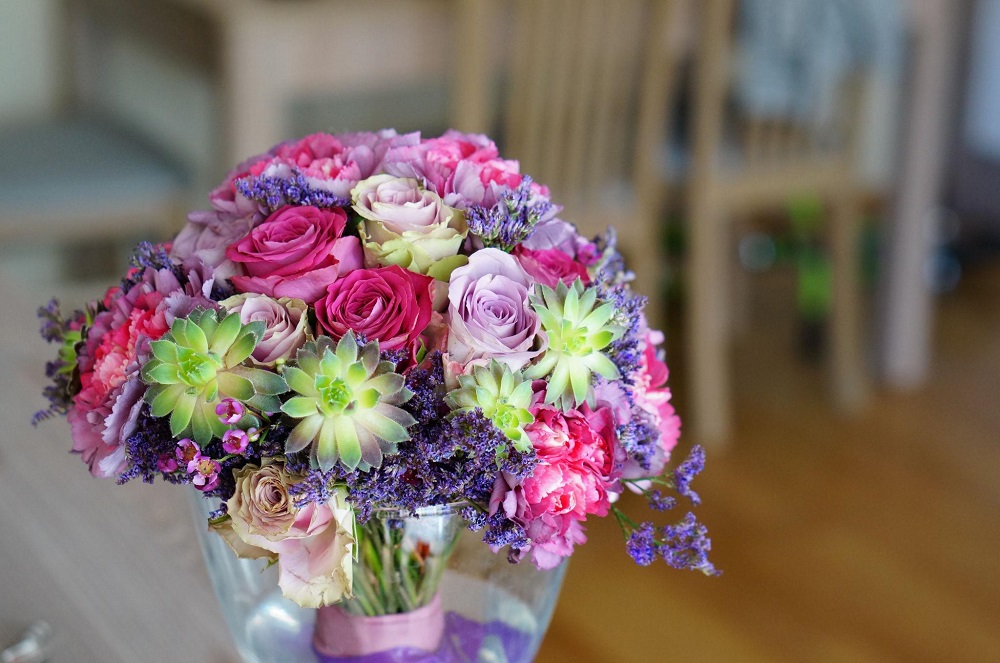
Flowers have been part of human culture for thousands of years. They represent beauty, emotion, celebration, and connection to nature. From personal gifts to large scale event decorations, flowers hold a unique place in both everyday life and special occasions. Their colors, shapes, and fragrances influence mood and create memorable experiences in homes, workplaces, ceremonies, and public spaces.
Beyond their visual appeal, flowers play an essential role in ecosystems, agriculture, medicine, and cultural traditions. Understanding different types of flowers, their meanings, and how they are used helps people appreciate their value more deeply and make thoughtful choices when selecting floral arrangements.
This guide explains the importance of flowers, popular varieties, symbolic meanings, decorative uses, and practical care methods that help maintain freshness and beauty.
What Are Flowers
Flowers are the reproductive structures of flowering plants. They enable pollination and seed production, which support plant growth and biodiversity across natural environments. Their colors, scents, and nectar attract pollinators such as bees, butterflies, and birds.
In addition to their biological purpose, flowers have become symbols of emotion and communication. People use them to express appreciation, sympathy, celebration, and love in ways that words sometimes cannot fully convey.
Flowers continue to influence art, literature, traditions, and social rituals across cultures.
Why Flowers Matter in Daily Life
Flowers provide benefits that extend far beyond decoration. Their presence improves emotional well being and strengthens connections between people.
Important reasons flowers remain meaningful include:
- enhancing indoor environments
- supporting pollinators and ecosystems
- representing cultural traditions
- improving mood and relaxation
- marking life events and celebrations
- strengthening social relationships
Because of these contributions, flowers remain an essential part of both natural landscapes and human experiences.
Popular Types of Flowers and Their Characteristics
Different flowers serve different decorative, emotional, and practical purposes. Some varieties are known for fragrance, while others stand out for durability or symbolism.
Roses
Roses are among the most widely recognized flowers in the world. They are often associated with affection and admiration.
Common rose features include:
- layered petals
- strong fragrance
- wide color variety
- long lasting arrangements
Different rose colors communicate different meanings depending on context.
Lilies
Lilies are known for their elegant shape and soft fragrance. They are frequently used in formal arrangements and ceremonies.
Lilies are commonly chosen for:
- wedding arrangements
- sympathy flowers
- interior decoration
- ceremonial displays
Their structured appearance creates a refined visual impression.
Tulips
Tulips are popular seasonal flowers valued for their smooth petals and balanced shapes.
They are often used in:
- spring decorations
- gift bouquets
- table centerpieces
- garden landscapes
Tulips symbolize renewal and fresh beginnings.
Sunflowers
Sunflowers are recognized for their bright yellow petals and large circular centers.
They are commonly associated with:
- positivity
- warmth
- energy
- summer celebrations
Sunflowers create cheerful arrangements that attract attention easily.
The Symbolic Meaning of Flowers
Flowers have been used as symbols of communication across cultures for centuries. Their meanings vary depending on color, variety, and occasion.
Examples of common symbolic interpretations include:
- red flowers represent admiration
- white flowers symbolize purity
- yellow flowers suggest friendship
- pink flowers express appreciation
- purple flowers indicate dignity
Understanding flower symbolism helps people select appropriate arrangements for specific events.
Flowers Used in Events and Celebrations
Flowers play a central role in many types of celebrations. They help define atmosphere and create visual harmony within event spaces.
Wedding Flowers
Wedding flowers represent commitment and shared happiness. They are used throughout ceremony and reception areas.
Common wedding floral elements include:
- bridal bouquets
- aisle decorations
- stage arrangements
- table centerpieces
- entrance displays
Floral selections often reflect personal preferences and cultural traditions.
Birthday Flower Arrangements
Birthday flowers create warmth and celebration through color and freshness.
Popular birthday flower arrangements include:
- mixed seasonal bouquets
- bright colored centerpieces
- personalized floral gifts
These arrangements enhance the celebratory environment.
Corporate Event Flowers
Corporate events use flowers to create professional yet welcoming spaces.
Floral arrangements support:
- reception desk styling
- conference tables
- stage decoration
- networking areas
Simple and balanced designs are usually preferred for business settings.
Festival Floral Decorations
Many festivals incorporate flowers into decorative traditions. Floral designs often highlight cultural identity and seasonal changes.
Festival flower decorations may include:
- entrance arches
- hanging garlands
- stage arrangements
- prayer area displays
Flowers strengthen the visual identity of celebrations.
Flowers in Home Decoration
Flowers improve indoor environments by adding freshness and natural beauty. Even small arrangements can transform a room’s atmosphere.
Popular home decoration uses include:
Living Room Floral Arrangements
Living room flowers create welcoming spaces for family members and guests.
Effective arrangement ideas include:
- table centerpieces
- corner floor arrangements
- shelf accents
- window displays
Balanced placement improves visual harmony.
Bedroom Flower Styling
Bedroom flowers should promote relaxation and comfort.
Suitable choices include:
- light fragrance flowers
- pastel colored arrangements
- small bedside bouquets
These arrangements support a calm environment.
Dining Table Flower Decoration
Dining tables benefit from simple floral centerpieces that enhance conversation without obstructing visibility.
Low height arrangements work best in dining areas.
Seasonal Flowers and Their Advantages
Seasonal flowers are widely preferred because they are naturally available and visually appropriate for specific times of year.
Benefits of seasonal flowers include:
- improved freshness
- lower cost compared to imported varieties
- stronger fragrance
- better environmental sustainability
Seasonal arrangements often feel more natural and authentic.
How Flowers Improve Emotional Well Being
Scientific research suggests that flowers influence mood and emotional responses positively. Their presence encourages relaxation and reduces stress levels.
Flowers support emotional well being by:
- improving indoor atmosphere
- encouraging mindfulness
- strengthening social connection
- creating comforting environments
- supporting recovery experiences in healthcare settings
Because of these effects, flowers are frequently used in homes, offices, and public spaces.
Choosing the Right Flowers for Different Occasions
Selecting appropriate flowers depends on purpose, environment, and personal preference.
Helpful selection guidelines include:
- choose bright flowers for celebrations
- select soft colored flowers for formal events
- use seasonal flowers for natural arrangements
- consider fragrance sensitivity in indoor spaces
- match flower colors with event themes
Thoughtful selection improves the impact of floral arrangements.
Essential Tips for Keeping Flowers Fresh Longer
Proper care helps maintain the beauty and lifespan of flowers after purchase.
Effective freshness techniques include:
- trimming stems before placing in water
- changing water regularly
- keeping flowers away from direct sunlight
- removing damaged leaves
- using clean containers
These steps extend the life of floral arrangements significantly.
Flowers and Their Role in Environmental Balance
Flowers support biodiversity by attracting pollinators that contribute to plant reproduction and agricultural productivity.
Environmental benefits include:
- supporting bee populations
- encouraging butterfly activity
- improving garden ecosystems
- promoting natural plant regeneration
Planting flowers in gardens contributes to ecological stability.
Why Flowers Remain Timeless Across Cultures
Across history and geography, flowers have maintained their importance because they communicate emotion clearly and naturally. Their universal appeal allows them to fit into both traditional ceremonies and modern celebrations.
Whether used in small home arrangements or large public events, flowers continue to influence how people experience beauty, connection, and meaning in everyday life.
Frequently Asked Questions About Flowers
What is the best time of day to arrange fresh flowers
Early morning or evening is ideal because cooler temperatures help maintain freshness during arrangement preparation.
How can flowers be transported safely without damage
Flowers should be transported upright in stable containers with minimal movement and protected from extreme temperatures.
Are artificial flowers suitable for home decoration
Artificial flowers can be useful for long term decoration where maintenance is difficult, especially in low light environments.
How do florists select flowers for large events
Florists consider event theme, season, venue lighting conditions, and arrangement durability when selecting flowers.
Can flowers improve productivity in workplaces
Research suggests that natural elements such as flowers help improve focus and create a more comfortable work environment.
What containers are best for displaying flowers indoors
Glass or ceramic containers are commonly preferred because they support stem stability and complement most interior styles.
How do fragrance levels affect flower selection for indoor spaces
Lightly scented flowers are usually recommended for indoor spaces to avoid overwhelming enclosed environments.
