

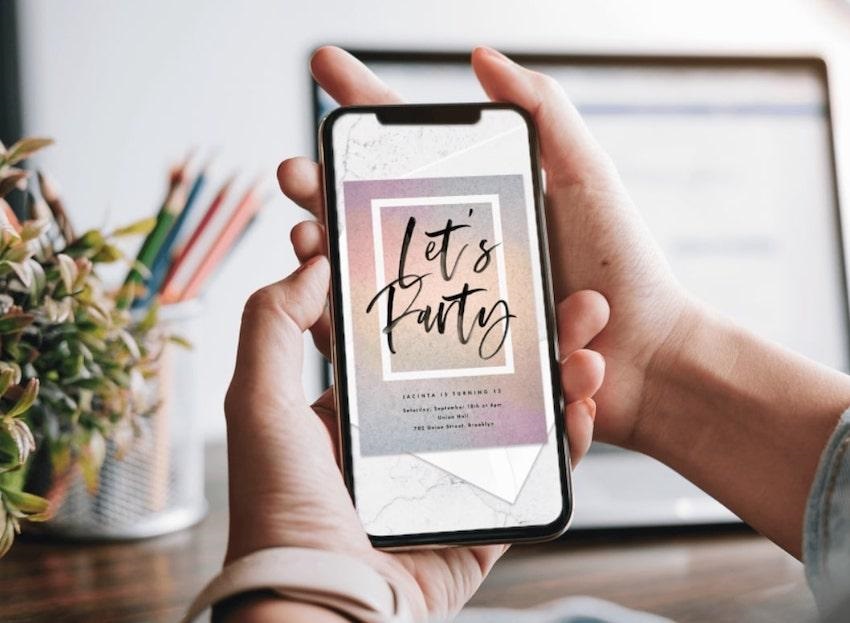
Invitations play a central role in planning successful events. They serve as the first communication guests receive and often shape expectations before the event even begins. Whether for weddings, birthdays, corporate functions, or social gatherings, invitations communicate essential details while reflecting the tone and purpose of the occasion.
A thoughtfully designed invitation does more than share logistics. It introduces the theme, expresses hospitality, and helps guests prepare for the experience ahead. Because invitations combine communication, etiquette, and visual presentation, they remain an essential element of both formal and informal events.
Understanding invitation types, formats, wording techniques, and design strategies helps hosts create invitations that are clear, attractive, and effective.
What Are Invitations and Why They Matter
An invitation is a formal or informal request asking someone to attend an event. It provides important information such as the event date, location, purpose, and expectations.
Invitations help hosts achieve several important goals:
- inform guests about event details
- establish the tone of the occasion
- confirm attendance through responses
- create anticipation and excitement
- reflect the personality or brand of the organizer
Because invitations are often the first interaction guests have with an event, they influence overall impressions significantly.
The Purpose of Invitations in Event Planning
Invitations support both communication and organization. They help hosts manage attendance and ensure guests arrive prepared.
Key purposes include:
- sharing accurate event information
- guiding guest expectations
- encouraging timely responses
- supporting event coordination
- strengthening relationships through thoughtful outreach
Clear invitations reduce confusion and improve event participation.
Types of Invitations Used for Different Occasions
Different events require different invitation styles. Matching the invitation type with the event purpose improves clarity and presentation.
Wedding Invitations
Wedding invitations are among the most detailed and carefully designed invitation types. They reflect the couple’s personality and the formality of the ceremony.
Wedding invitations typically include:
- names of the hosts
- names of the couple
- ceremony date and time
- venue details
- reception information
- response instructions
Many couples also include inserts with accommodation or travel guidance for guests.
Birthday Invitations
Birthday invitations are often creative and flexible. Their design usually reflects the age group and personality of the person being celebrated.
Common birthday invitation features include:
- themed graphics
- colorful layouts
- activity details
- dress suggestions if needed
These invitations help create excitement before the celebration begins.
Corporate Event Invitations
Corporate invitations emphasize clarity and professionalism. They communicate event objectives while maintaining a structured tone.
Corporate invitations often include:
- event agenda highlights
- speaker information
- venue directions
- registration details
Professional presentation strengthens organizational credibility.
Baby Shower Invitations
Baby shower invitations usually feature gentle color palettes and welcoming language that reflects celebration and support for the family.
They commonly include:
- event theme details
- registry information
- timing and venue location
- participation instructions for activities
These invitations help guests prepare meaningful contributions.
Anniversary Invitations
Anniversary invitations celebrate milestones and shared memories. They often highlight the years being honored and invite loved ones to participate in the celebration.
Anniversary invitations typically include:
- milestone year recognition
- event venue details
- celebration schedule
- RSVP information
They help create a warm and reflective atmosphere.
Printed Invitations vs Digital Invitations
Choosing between printed and digital invitations depends on the event style, guest preferences, and timeline.
Printed Invitations
Printed invitations remain popular for formal occasions such as weddings and milestone celebrations.
Advantages include:
- elegant presentation
- lasting keepsake value
- strong visual impression
- suitability for traditional ceremonies
Printed invitations often reflect attention to detail.
Digital Invitations
Digital invitations provide convenience and speed. They are especially useful for modern events with flexible timelines.
Benefits include:
- quick delivery
- cost efficiency
- easy response tracking
- environmentally friendly communication
Digital invitations are increasingly common for both personal and professional events.
Essential Information Every Invitation Should Include
An effective invitation always communicates key details clearly. Missing information can lead to confusion or scheduling problems.
Important elements include:
- event title or purpose
- host name
- date and time
- venue address
- dress expectations if applicable
- response instructions
Including these details ensures guests arrive prepared and on time.
Invitation Design Elements That Influence Guest Impressions
Visual design strongly affects how invitations are received. Balanced layouts improve readability and create a positive first impression.
Key design elements include:
Typography
Font selection influences tone and clarity. Formal events benefit from classic typefaces, while casual events allow more playful styles.
Readable typography improves communication effectiveness.
Color Selection
Color choices should reflect the event theme and atmosphere.
Examples include:
- neutral tones for formal gatherings
- bright colors for celebrations
- soft pastels for family events
- brand colors for corporate functions
Consistent color palettes improve visual harmony.
Layout Structure
Organized layouts guide readers through information naturally.
Effective layout structure includes:
- clear headings
- balanced spacing
- readable alignment
- consistent formatting
Structured layouts improve accessibility.
Paper and Material Quality
For printed invitations, material selection influences perceived value.
Common material choices include:
- textured cardstock
- matte finish paper
- recycled paper options
- layered invitation sets
Material quality enhances presentation.
How Invitation Wording Shapes Event Expectations
Invitation wording communicates more than information. It also signals the tone of the event.
Formal invitations often use structured language, while casual invitations allow conversational phrasing.
Effective invitation wording should:
- remain concise
- avoid ambiguity
- match the event tone
- provide clear instructions
Carefully chosen wording improves guest understanding.
Timing Guidelines for Sending Invitations
Sending invitations at the right time helps guests plan attendance comfortably.
Recommended timelines include:
- weddings six to eight weeks before the event
- corporate functions four weeks before the event
- birthday parties two to three weeks before the event
- informal gatherings one to two weeks before the event
Advance notice improves response rates.
RSVP and Response Management Strategies
Response tracking helps hosts organize seating, catering, and scheduling effectively.
Common RSVP methods include:
- email responses
- phone confirmations
- online registration links
- printed response cards
Clear response instructions simplify planning.
Creative Invitation Ideas That Make Events Stand Out
Creative invitations help guests remember events even before attending them.
Popular creative approaches include:
- themed illustration designs
- photo based invitations
- layered invitation cards
- interactive digital formats
- personalized name printing
Creative presentation strengthens anticipation.
Common Invitation Mistakes to Avoid
Avoiding common errors improves invitation effectiveness and guest experience.
Frequent mistakes include:
- missing event details
- unclear venue addresses
- inconsistent formatting
- late delivery timing
- complicated response instructions
Careful proofreading prevents misunderstandings.
Cultural and Social Etiquette in Invitation Planning
Invitation etiquette varies depending on event type and cultural expectations. Observing etiquette helps maintain respect and clarity.
Important etiquette practices include:
- addressing guests correctly
- confirming attendance respectfully
- avoiding last minute changes when possible
- communicating schedule updates clearly
Respectful communication strengthens relationships between hosts and guests.
The Role of Invitations in Creating Memorable Events
Invitations influence how guests perceive events before they arrive. A well designed invitation builds anticipation, communicates organization, and reflects attention to detail.
Whether printed or digital, formal or casual, invitations remain one of the most important planning tools available to event organizers. They shape expectations, improve coordination, and help create meaningful shared experiences.
Frequently Asked Questions About Invitations
What is the difference between save the date notices and invitations
Save the date notices inform guests about upcoming events early, while invitations provide complete details closer to the event date.
Can invitations include maps or directions to the venue
Yes including directions or maps helps guests navigate unfamiliar locations easily.
Should invitations include parking information for guests
Providing parking details improves convenience and helps guests plan arrival times effectively.
Is it appropriate to send reminder messages after invitations are delivered
Reminder messages are helpful for large events or formal gatherings where attendance confirmation is important.
Can invitations be customized for different guest groups
Yes invitations can be adjusted to include specific instructions for family members, colleagues, or special participants.
How should invitation errors be corrected after sending them
Hosts should communicate corrections promptly through email or phone to prevent confusion.
Are group invitations suitable for professional events
Individual invitations are usually preferred for professional events because they reflect respect and attention to detail.
